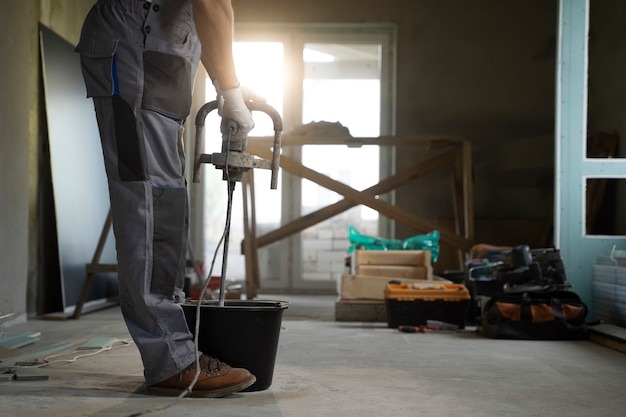
Slab foundations are a popular choice for many modern homes because they provide a solid, cost-effective base. However, they are also vulnerable to soil movement, moisture fluctuations, and settlement over time. When these issues go unchecked, cracks can appear, doors may jam, and the overall structural integrity of the house can be compromised. Protecting a slab foundation requires a blend of preventive maintenance, timely repairs, and professional expertise. The following guide outlines the essential steps homeowners can take to safeguard their slab foundation and extend the life of their property.
Understanding the Risks to Slab Foundations
Before implementing protective measures, it’s important to recognize the primary factors that threaten slab foundations:
- Soil Expansion and Contraction: Clay soils expand when wet and shrink when dry, creating upward and downward pressure on the slab.
- Water Intrusion: Poor drainage or leaking plumbing can saturate the soil beneath the slab, leading to uneven settlement.
- Tree Roots: Large trees draw moisture from the soil, potentially causing localized drying and subsidence.
- Construction Errors: Inadequate compaction, insufficient reinforcement, or improper curing can leave the slab prone to cracking.
Preventive Maintenance Practices
1. Manage Moisture Levels
Consistent moisture control is the cornerstone of slab protection. Consider these actions:
- Install and maintain proper gutter systems to direct roof runoff away from the foundation.
- Grade the landscape so water flows at least 6-10 feet away from the slab.
- Use French drains or perimeter drainage systems in areas with high water tables.
2. Monitor and Repair Cracks Early
Small cracks are often the first sign of movement. Early detection allows for simple repairs before structural damage occurs.
- Conduct visual inspections twice a year, focusing on corners, joints, and areas near windows.
- Seal hairline cracks with epoxy or polyurethane sealants designed for concrete.
- If cracks widen or new ones appear, consult a foundation specialist for a thorough assessment.
3. Control Tree Growth Near the Home
While trees add curb appeal, their roots can destabilize the soil beneath a slab. Recommended steps include:
- Plant trees at least 15-20 feet away from the foundation.
- Prune roots that appear to be encroaching on the slab perimeter.
- Choose species with less aggressive root systems for landscaping near the house.
When Professional Intervention Is Needed
Even with diligent maintenance, some issues require the expertise of trained foundation professionals. Common scenarios that warrant professional care include:
- Significant slab movement causing doors or windows to stick.
- Recurring water pooling despite proper drainage.
- Large or diagonal cracks that suggest structural stress.
Professional assessment typically begins with a detailed inspection, followed by recommendations such as pier installation, slab jacking, or moisture barrier installation. Discover expert strategies here. This approach ensures that the chosen solution addresses the root cause rather than merely treating symptoms.
Key Professional Solutions for Slab Foundations
Slab Jacking (Mudjacking)
Slab jacking involves pumping a cementitious grout beneath the sunken portion of the slab to raise it back to its original level. Benefits include:
- Minimal disruption to interior spaces.
- Cost-effectiveness compared to full slab replacement.
- Quick completion, often within a single day.
Push-Piers and Helical Piers
These deep-foundation systems transfer the load of the house to stable soil or rock layers below the problematic zone. They are especially useful when:
- The soil is highly expansive or has a low bearing capacity.
- Long-term stabilization is required.
- Multiple areas of the slab are experiencing differential settlement.
For a detailed overview of when pier systems are appropriate, Learn about our tailored solutions.
Moisture Management Systems
Advanced moisture barriers and drainage mats can be installed beneath the slab or around the perimeter to prevent water infiltration. This is a proactive measure that complements other repair methods.
Long-Term Care Checklist
After repairs are completed, ongoing vigilance helps maintain the health of the slab foundation:
- Schedule annual professional inspections, especially after heavy rain or drought periods.
- Keep gutters and downspouts clear of debris.
- Maintain consistent landscaping irrigation, avoid over-watering near the foundation.
- Document any new cracks or changes in door/window operation and address them promptly.
Conclusion
Protecting a slab foundation is a multifaceted effort that blends routine homeowner maintenance with timely professional intervention. By understanding the underlying risks, managing moisture, monitoring for early signs of distress, and engaging qualified specialists when necessary, homeowners can preserve structural integrity and avoid costly repairs. For those seeking comprehensive guidance on foundation leveling and repair, Explore advanced guides and tips. Investing in these preventive and corrective measures today ensures a stable, secure home for years to come.