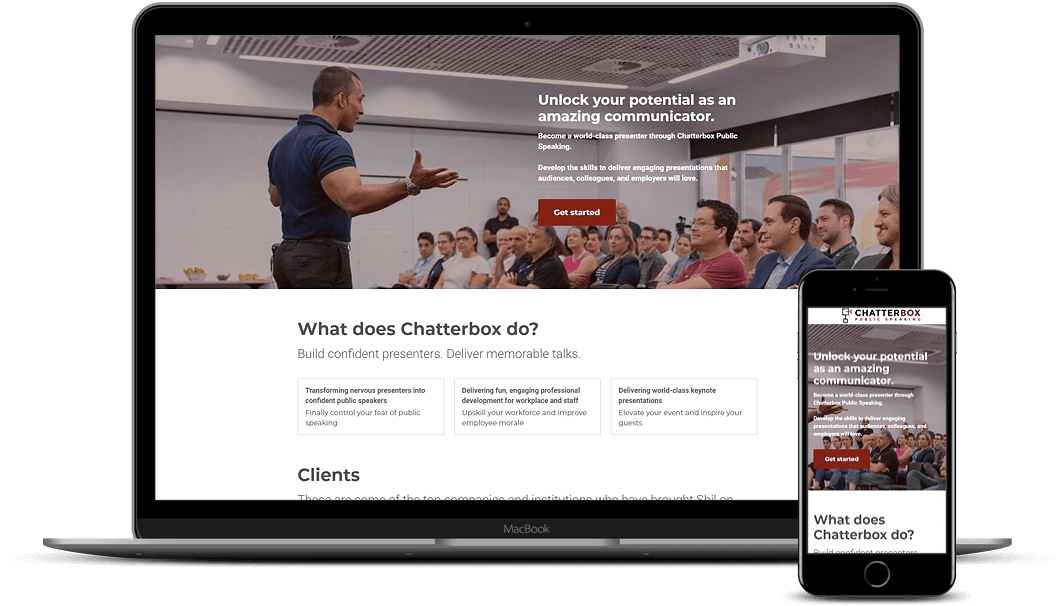
In today’s competitive digital landscape, businesses must continually optimize their conversion strategies to achieve improved results. Conversion optimization is a crucial aspect of digital marketing that focuses on increasing the percentage of website visitors who complete a desired action, such as making a purchase or signing up for a newsletter. With the right approach, businesses can significantly enhance their conversion rates, leading to increased revenue and growth. This article explores expert conversion optimization techniques that can be employed to achieve these goals.
Understanding Conversion Optimization
Conversion optimization involves a systematic approach to improving a website’s performance. It requires analyzing user behavior, testing various elements, and making data-driven decisions to enhance user experience and increase conversion rates.
Key Elements of Conversion Optimization
- Analyzing user behavior to identify patterns and areas for improvement.
- Conducting A/B testing to compare different versions of a webpage.
- Improving website design, layout, and content to enhance user experience.
- Streamlining the conversion process by reducing unnecessary steps.
- Personalizing content to match user preferences and needs.
Strategies for Effective Conversion Optimization
Implementing effective conversion optimization strategies requires a deep understanding of both the user and the industry. Discover expert strategies here (https://www.diginomic.com.au/).
Utilizing Data Analytics
Data analytics is essential in conversion optimization. By analyzing user data, businesses can gain insights into user behavior and preferences. This information can be used to tailor marketing strategies and improve website performance.
- Track user interactions and identify drop-off points in the conversion funnel.
- Use heatmaps and session recordings to understand user navigation patterns.
- Analyze demographic and psychographic data to personalize marketing efforts.
Testing and Iteration
Conversion optimization is an ongoing process that requires continuous testing and iteration. Learn about our tailored solutions (https://www.diginomic.com.au/).
- Conduct A/B tests to determine the most effective design and content elements.
- Use multivariate testing to explore multiple changes simultaneously.
- Continuously refine and adjust strategies based on test results.
Enhancing User Experience
User experience is a critical factor in conversion optimization. A positive user experience can significantly increase conversion rates. Explore advanced guides and tips (https://www.diginomic.com.au/).
Improving Website Usability
- Ensure website navigation is intuitive and user-friendly.
- Optimize page loading speed to reduce bounce rates.
- Make sure the website is mobile-friendly and responsive.
Creating Compelling Content
Content plays a vital role in engaging users and driving conversions. It should be relevant, informative, and persuasive. Find out more about this approach (https://www.diginomic.com.au/).
- Use clear and concise language to convey the value proposition.
- Incorporate strong calls-to-action that encourage user engagement.
- Leverage visuals, such as images and videos, to enhance content appeal.
Conclusion
Effective conversion optimization requires a comprehensive understanding of user behavior, strategic testing, and a focus on enhancing user experience. By implementing these expert strategies, businesses can boost their conversion rates and achieve their growth objectives. For more insights and tailored solutions, explore advanced guides and tips (https://www.diginomic.com.au/).