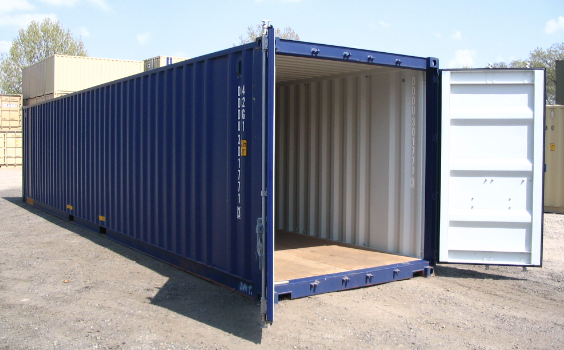
In the realm of modern construction, factory-built buildings are gaining traction due to their streamlined processes and cost-effective nature. These structures are constructed in a controlled factory environment, which offers numerous advantages over traditional on-site construction methods. As the demand for efficient and sustainable building solutions increases, factory-built buildings present a viable alternative that meets the needs of both developers and occupants. This article delves into the streamlined construction process of factory-built buildings, highlighting their benefits and the impact they have on the construction industry.
The Process of Factory-Built Construction
Factory-built construction involves the prefabrication of building components in a factory setting before they are transported to the site for assembly. This method significantly reduces construction time and minimizes on-site disruptions. The process typically involves several key stages:
- Design and Planning: Initial designs are developed using advanced software, allowing for precise planning and customization. This stage ensures that all components fit together seamlessly during assembly.
- Manufacturing: Building components are manufactured in a controlled environment, which enhances quality control and reduces waste.
- Transportation: Once manufactured, the components are transported to the construction site. This step is crucial for maintaining the integrity of the components during transit.
- Assembly: On-site assembly is typically fast and efficient, as components are designed to fit together with minimal adjustments. This reduces labor costs and construction time.
This process not only optimizes the use of materials but also enhances the overall quality of the building. Find additional information here on the specifics of this innovative construction method.
Benefits of Factory-Built Buildings
There are several benefits associated with factory-built buildings that make them an attractive option for developers and builders alike:
- Cost-Effectiveness: Factory-built buildings often result in cost savings due to reduced labor costs and minimized material waste.
- Time Efficiency: Construction timelines are significantly shortened, allowing for quicker project completion and faster occupancy.
- Quality Control: The controlled environment of a factory ensures consistent quality and adherence to safety standards.
- Sustainability: These buildings often utilize sustainable materials and methods, reducing the overall environmental impact.
For those interested in sustainable construction practices, explore further insights here on how factory-built buildings contribute to eco-friendly development.
Impact on the Construction Industry
Factory-built buildings are reshaping the construction industry by introducing new efficiencies and opportunities. Here’s how:
Adoption of New Technologies
The integration of technology in the design and manufacturing processes of factory-built buildings is revolutionizing construction. Technologies such as Building Information Modeling (BIM) and 3D printing allow for precision and customization, enhancing the overall outcome. Learn more in this detailed guide about the role of technology in factory-built construction.
Meeting Housing Demands
With the growing demand for affordable and timely housing solutions, factory-built buildings offer a practical approach. Their ability to be constructed rapidly and at lower costs meets the urgent need for housing in urban areas. Read more about this topic to understand how these buildings are addressing housing shortages.
Enhancing Flexibility and Scalability
Factory-built buildings provide flexibility in design and scalability in production. This makes them suitable for a wide range of applications, from residential homes to commercial spaces. Developers can easily adapt designs to meet specific requirements, scaling production as needed without significant delays or cost increases.
In conclusion, the streamlined construction process of factory-built buildings presents a compelling case for their adoption in modern construction. By balancing cost, efficiency, and quality, these buildings are poised to play a significant role in future development projects. For more information on how factory-built buildings are transforming the industry, explore further insights here.