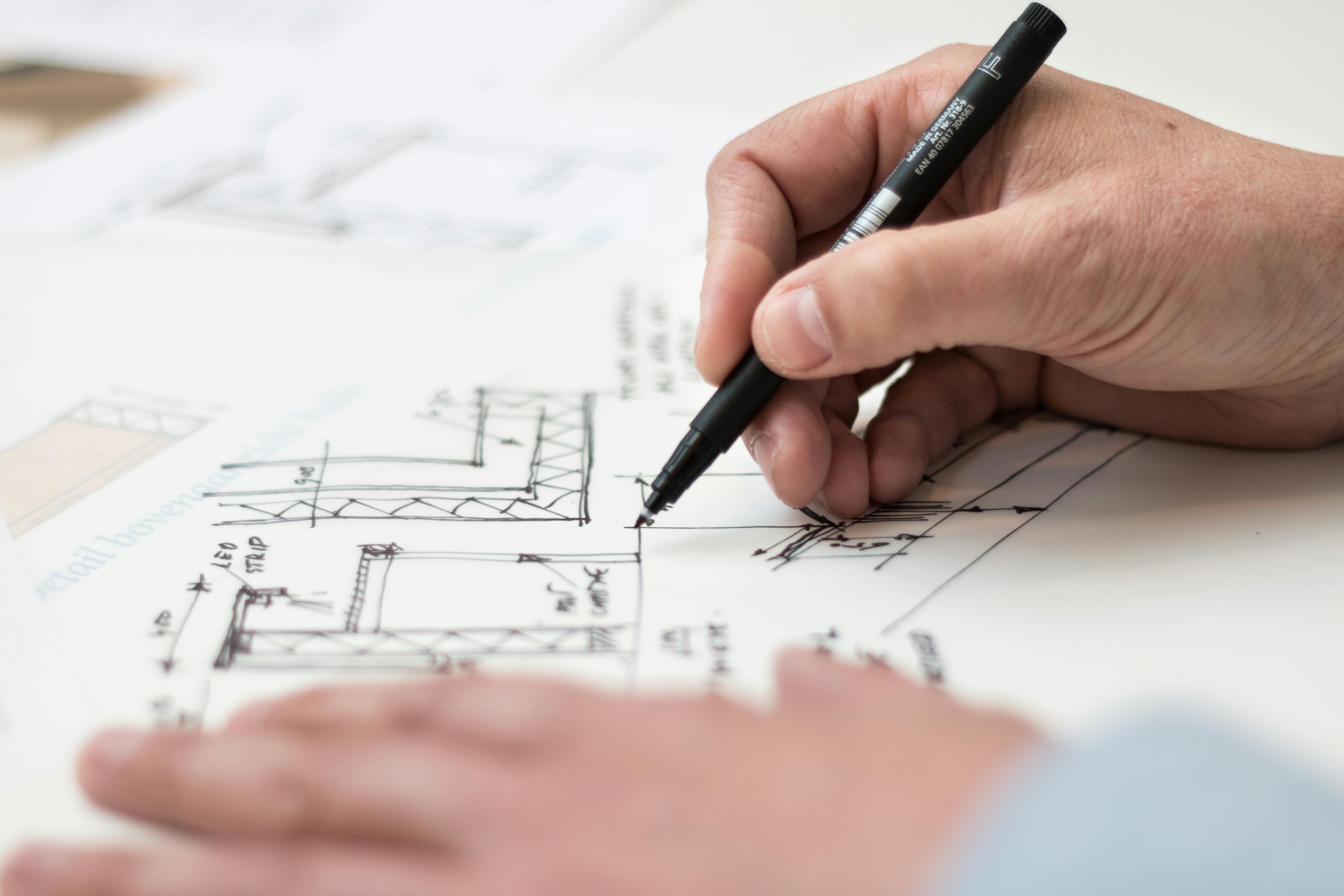
Structural engineering is a crucial component of the construction industry, providing the backbone for all forms of architectural development. It encompasses the design, analysis, and construction of structures that must withstand various forces and environmental conditions. As a discipline, it ensures the stability and integrity of buildings, bridges, towers, and other infrastructure. The need for reliable structural engineering services has never been more paramount, given the ever-increasing complexity of modern construction projects.
Core Services Offered by Structural Engineering Providers
Leading structural engineering service providers offer a wide range of services aimed at ensuring the safety and durability of construction projects. Some of the core services include:
- Structural Design: Crafting designs that meet both aesthetic and functional requirements while ensuring safety and compliance.
- Structural Analysis: Evaluating the effects of loads on physical structures and their components.
- Retrofitting and Rehabilitation: Upgrading existing structures to improve their performance or to comply with new standards.
- Seismic Engineering: Designing buildings and structures that can withstand earthquakes.
- Construction Management: Overseeing the entire construction process to ensure project completion on time and within budget.
For a comprehensive understanding of these services, one can explore further insights here.
Importance of Structural Engineering in Modern Construction
Structural engineering plays a pivotal role in modern construction, emphasizing safety, functionality, and sustainability. It ensures that structures can withstand the test of time and natural disasters. Here are some critical benefits of structural engineering:
- Enhances building safety and stability.
- Ensures compliance with local and international building codes.
- Facilitates innovative architectural designs.
- Reduces long-term maintenance costs by ensuring robust construction quality.
To delve deeper into the importance of structural engineering, learn more in this detailed guide.
Technological Advancements in Structural Engineering
Building Information Modeling (BIM)
BIM has revolutionized the way structural engineers design and manage construction projects. It allows for more accurate, data-driven design processes, enhancing collaboration among project stakeholders. Read more about this topic to understand how BIM enhances efficiency and accuracy in structural engineering.
Advanced Materials
The use of advanced materials, such as high-performance concrete and composites, has significantly improved the durability and resilience of structures. These materials offer superior strength and flexibility, reducing construction time and costs.
Automation and Robotics
Automation and robotics are increasingly being integrated into construction processes, leading to safer and more efficient project execution. This integration is transforming the landscape of structural engineering, enabling precision and reducing human error.
For further readings on technological advancements in structural engineering, find additional information here.
Challenges Facing Structural Engineering Services
Despite the advancements, structural engineering faces several challenges, including:
- Adapting to rapidly changing building codes and regulations.
- Managing the environmental impact of construction activities.
- Ensuring the sustainability of materials and practices.
- Addressing the scarcity of skilled professionals in the field.
Effective strategies and continuous innovation are essential to overcome these challenges and ensure the ongoing development of the industry. Explore further insights here to learn about potential solutions and future trends in structural engineering.