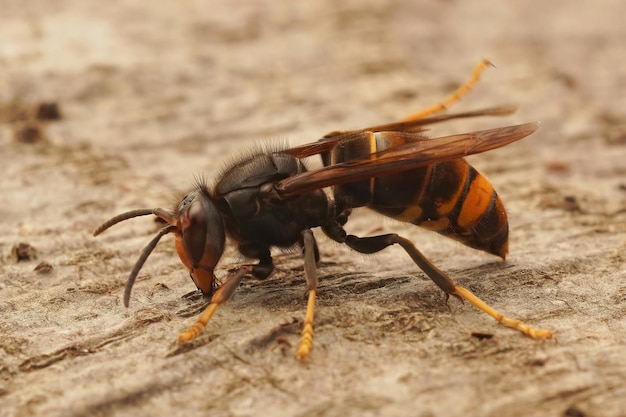
Bee infestations can quickly become a serious concern for homeowners, businesses, and public spaces. While these pollinators play a vital role in ecosystems, uncontrolled colonies pose safety risks, property damage, and costly cleanup. Professional bee removal services offer a safe, humane, and effective solution, ensuring that both people and the environment are protected. Understanding the process, benefits, and best practices helps property owners make informed decisions when faced with a buzzing intruder.
Why Professional Bee Removal Is Essential
Attempting DIY removal often leads to incomplete eradication, heightened danger, and potential legal issues. Trained technicians bring:
- Specialized equipment for safe entry and extraction.
- Knowledge of local bee species and their behaviors.
- Compliance with wildlife protection regulations.
- Humane relocation techniques that preserve beneficial pollinators.
Key Steps in a Professional Bee Removal Process
1. Inspection and Assessment
A thorough site evaluation identifies the colony’s size, location, and species. This step determines the most appropriate removal strategy and helps estimate costs.
2. Development of a Customized Plan
Each infestation is unique. Professionals design a plan that balances safety, effectiveness, and environmental stewardship. Discover expert strategies here.
3. Safe Removal and Relocation
Using protective gear and specialized tools, technicians carefully extract the bees and relocate them to a suitable habitat, often a beekeeper’s apiary.
4. Post-Removal Inspection
After extraction, the area is inspected for residual nests, honeycomb, or damage. Any necessary repairs or preventive measures are recommended to discourage future infestations.
Benefits of Choosing a Specialized Service
- Safety: Certified experts minimize sting risks for occupants and pets.
- Humane Treatment: Relocation preserves bee populations essential for pollination.
- Legal Compliance: Professionals adhere to local wildlife protection laws.
- Long-Term Prevention: Recommendations include sealing entry points and habitat modification.
Common Scenarios Requiring Bee Removal
Understanding typical infestation sites helps property owners recognize early warning signs.
- Wall voids and attics where bees build honeycomb.
- Outdoor structures such as sheds, decks, and pergolas.
- Ground nests near landscaping or garden beds.
- Commercial properties with large eaves or HVAC systems.
How to Choose a Reliable Bee Removal Provider
Selecting the right service ensures effective outcomes and peace of mind. Consider the following criteria:
- Licensing and certification specific to bee management.
- Experience with local bee species and seasonal activity.
- Transparent pricing and detailed service contracts.
- Positive client testimonials and proven success rates.
For a deeper dive into what makes a service trustworthy, Learn about our tailored solutions.
Preventive Measures to Reduce Future Infestations
After removal, proactive steps can deter bees from returning:
- Seal cracks, gaps, and vent openings.
- Maintain regular roof and siding inspections.
- Trim vegetation away from building exteriors.
- Install bee-proof screening on vents and chimneys.
Environmental Considerations
While removal is often necessary, it’s important to balance human safety with ecological responsibility. Relocating colonies supports local agriculture and biodiversity. Professionals who follow best practices contribute to sustainable pest management.
Conclusion
Bee infestations demand a careful, knowledgeable response. Professional removal services provide the expertise, equipment, and humane approach required to protect people, property, and the environment. By following a structured removal process, selecting qualified technicians, and implementing preventive measures, property owners can effectively manage bee problems while supporting the vital role these insects play in nature.
For additional insights and detailed guidance, Explore advanced guides and tips.