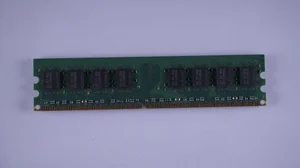
In the ever-evolving landscape of technology, server performance remains a critical element for businesses and IT professionals striving to maintain efficient operations. One of the pivotal components influencing server performance is memory. Proper server memory solutions can significantly improve performance, ensuring that systems run smoothly and efficiently. This article delves into various server memory solutions, examining how they can enhance server capabilities and overall system performance.
Understanding Server Memory
Server memory, commonly known as RAM (Random Access Memory), plays a crucial role in the performance of a server. It temporarily stores information that the CPU needs in real-time, which allows for quick data retrieval and processing. Here are key points to consider:
- Increased RAM allows for more applications and services to run concurrently without slowing down the server.
- It reduces the need for disk swapping, thus enhancing speed and efficiency.
- Server memory configurations can vary significantly, impacting overall performance and scalability.
For those seeking to optimize their server setups, understanding the types of memory and their specific benefits is essential. Explore further insights here on server memory options.
Types of Server Memory Solutions
Buffered vs. Unbuffered Memory
When choosing server memory, it’s essential to understand the differences between buffered (or registered) and unbuffered memory:
- Buffered Memory: This type of memory includes a register between the DRAM and the memory controller. It helps to stabilize systems with large amounts of RAM.
- Unbuffered Memory: Typically used in desktops, this type does not have a register, making it faster but less stable in systems with high memory demands.
Choosing the right type depends on the server’s purpose and workload demands. Read more about this topic to determine the best option for specific needs.
ECC vs. Non-ECC Memory
Error-Correcting Code (ECC) memory is another consideration for improving server reliability and performance:
- ECC Memory: Designed to detect and correct internal data corruption, reducing the risk of crashes and data loss.
- Non-ECC Memory: While cheaper and slightly faster, it lacks error correction capabilities, which can be critical in high-stakes environments.
ECC memory is often recommended for servers that require high reliability. Find additional information here on the benefits of ECC memory.
Optimizing Server Memory Configurations
Optimizing memory configurations involves more than just selecting the right type. It requires a strategic approach to ensure that server memory aligns with specific operational needs:
- Assess the server’s workload to determine the appropriate memory capacity.
- Consider the balance between cost, performance, and reliability.
- Regularly monitor memory usage to identify and address bottlenecks.
For those interested in detailed strategies on optimizing server configurations, learn more in this detailed guide.
The Impact of Upgrading Server Memory
Upgrading server memory can lead to noticeable improvements in performance, especially for data-intensive applications and services. Here?s what to expect:
- Faster data processing and application response times.
- Enhanced ability to handle increased workloads and user demands.
- Reduced downtime and improved system stability.
Whether upgrading existing systems or planning new server deployments, understanding the impact of memory on performance is crucial. Explore further insights here for more information on effective memory solutions.
In conclusion, selecting the right server memory solution can profoundly affect performance, reliability, and efficiency. By carefully considering the types of memory and optimizing configurations, IT professionals can ensure that their servers operate at peak performance. For more insights, find additional information here.