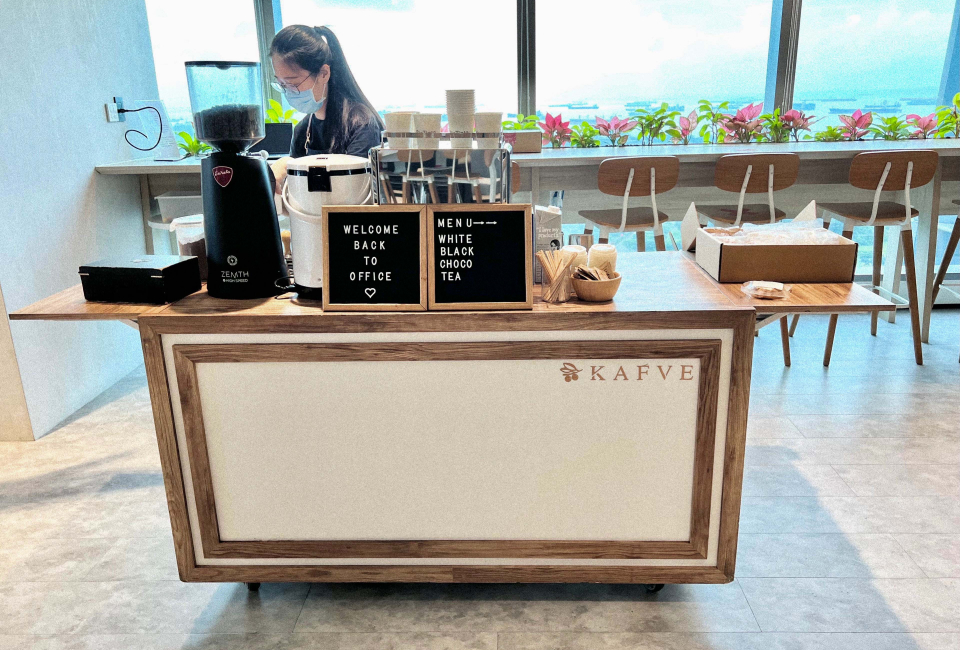
Creating a welcoming coffee corner in the workplace is more than a perk, it’s a productivity catalyst. When employees have access to quality coffee prepared by a trained barista, morale rises, collaboration improves, and the office culture gains a subtle yet powerful boost. Understanding the essential components of an office barista setup helps businesses invest wisely, maintain consistency, and keep the caffeine flow smooth. Below is a comprehensive guide that outlines the key considerations, equipment choices, and operational best practices every organization should know.
Why an Office Barista Matters
Beyond the aroma of freshly brewed espresso, a dedicated barista brings several tangible benefits:
- Enhanced Employee Satisfaction: A well-crafted cup signals that the company values employee wellbeing.
- Increased Collaboration: Coffee stations become informal meeting hubs where ideas are exchanged.
- Brand Image: A polished coffee service reflects a commitment to quality and professionalism.
- Productivity Gains: Proper caffeine timing can improve focus without the crash associated with low-quality coffee.
Core Equipment for a Seamless Coffee Experience
Espresso Machine
The heart of any coffee bar is the espresso machine. When selecting a unit, consider:
- Capacity – a 2-group machine handles moderate traffic; larger offices may need 3-group models.
- Consistency – look for temperature stability and pressure control (9-15 bar).
- Ease of Maintenance – automatic cleaning cycles reduce downtime.
Grinder
A high-quality burr grinder ensures uniform particle size, which is critical for extraction consistency.
- Adjustable grind settings for espresso, filter, and French press.
- Low retention design to prevent stale coffee buildup.
Water Quality System
Water accounts for up to 98% of a coffee drink. Installing a filtration system (e.g., carbon block + reverse osmosis) protects equipment and improves flavor.
Supporting Accessories
- Scales for precise dosing (15-18″?g per shot).
- Tamper with calibrated pressure.
- Milk frothing pitcher set (12″?oz, 20″?oz, 32″?oz).
- Thermometers and cleaning brushes.
Staffing and Training
Even the best equipment cannot compensate for a lack of skill. Investing in a qualified office barista who understands the nuances of espresso extraction, milk texture, and equipment upkeep is essential.
- Barista Certification: Look for certifications from recognized bodies such as the Specialty Coffee Association (SCA).
- Ongoing Training: Regular workshops keep staff updated on new brewing techniques and equipment.
- Customer Service: A barista should balance speed with a friendly, attentive approach.
Menu Design for Diverse Tastes
A streamlined menu that caters to varying preferences can simplify operations while satisfying most palates.
- Classic Espresso & Americano
- Milk-based drinks – Cappuccino, Latte, Flat White
- Cold options – Iced Americano, Cold Brew, Nitro
- Non-coffee alternatives – Chai latte, herbal teas, hot chocolate
Offering seasonal specials (e.g., pumpkin spice latte in autumn) adds excitement without overwhelming the barista.
Operational Best Practices
Workflow Optimization
- Designate a clear prep area with separate zones for grinding, brewing, and milk steaming.
- Implement a ticketing system or digital ordering app to manage peak times.
- Schedule regular cleaning cycles, daily backflushes, weekly deep cleans.
Inventory Management
Track coffee bean usage, milk volumes, and consumables (filters, cups, lids) using a simple spreadsheet or inventory software. Reorder thresholds should be set to avoid stockouts.
Health & Safety Compliance
- Follow local food safety regulations for temperature control and sanitation.
- Provide staff with proper PPE – gloves, aprons, and non-slip shoes.
- Maintain a log of cleaning activities for audit purposes.
Cost Considerations and ROI
While the upfront investment in equipment and staffing can be significant, the return on investment is measurable through employee retention, reduced external coffee expenses, and enhanced workplace culture. A rough cost-benefit analysis includes:
- Initial equipment outlay (machine, grinder, water system) – $5,000-$15,000.
- Monthly staffing – $2,500-$4,000 depending on hours.
- Projected savings on external coffee purchases – up to 30%.
- Intangible benefits – higher engagement scores, lower turnover.
Integrating Local Expertise
Singapore’s vibrant coffee scene offers a wealth of specialized knowledge. Partnering with a seasoned coffee barista singapore can provide tailored training, bean selection suited to local palates, and ongoing support for equipment maintenance.
Final Checklist for Launching an Office Barista Program
- Define budget and expected foot traffic.
- Select a reliable espresso machine and grinder.
- Install a water filtration system.
- Hire or contract a certified barista.
- Develop a concise, appealing menu.
- Set up workflow zones and ordering process.
- Implement inventory and cleaning logs.
- Schedule regular training and performance reviews.
By addressing each of these elements, businesses can create a coffee experience that not only fuels the daily grind but also strengthens the overall workplace environment. The right blend of equipment, expertise, and operational discipline turns a simple coffee station into a strategic asset for any modern office.